


Lesotho is stepping into a cleaner transport future with the introduction of electric cars Lesotho, marking a major milestone in the country’s push for sustainable mobility. The launch of the first electric vehicle (EV) in the country highlights growing efforts to reduce carbon emissions, modernize transport systems, and promote renewable energy solutions.
The initiative forms part of a wider transition toward environmentally friendly transportation in Africa. With support from international partners and local authorities, electric cars Lesotho are beginning to demonstrate how clean mobility can improve both environmental protection and economic resilience.
The First Electric Vehicle Sparks Change
The arrival of the first EV in Lesotho captured widespread attention in the capital city, Maseru. Government officials and international partners described the move as a symbolic step toward reducing the country’s carbon footprint and encouraging greener technology.
Transport is one of the fastest-growing sources of greenhouse gas emissions in Lesotho, with pollution levels increasing significantly over the past decade. By introducing electric cars Lesotho, authorities hope to lower emissions and reduce reliance on imported fossil fuels.
Why Electric Vehicles Matter
Electric vehicles provide several advantages for countries like Lesotho. Unlike traditional petrol or diesel cars, EVs produce zero tailpipe emissions and require fewer mechanical parts, making them easier and cheaper to maintain.
Key benefits include:
-
Lower greenhouse gas emissions and improved air quality
-
Reduced dependence on imported fuel
-
Lower maintenance costs for vehicle owners
-
Support for renewable energy integration
These advantages make electric cars Lesotho an attractive solution for building a more sustainable transport sector.
Infrastructure and Charging Networks
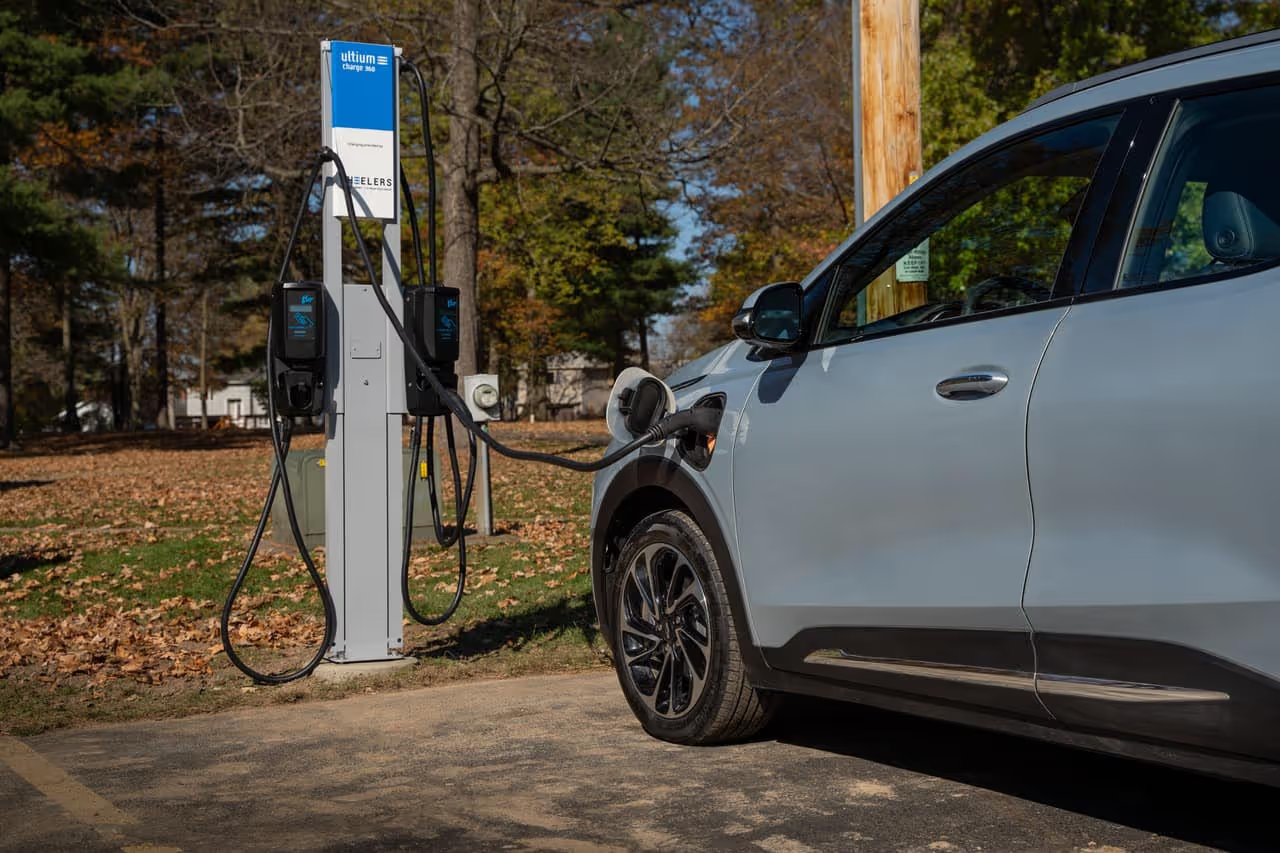
Developing charging infrastructure is a key priority for expanding EV adoption. Plans are underway to build new EV charging stations that will support both government fleets and private drivers.
Solar-Powered Charging Solutions
One innovative approach involves using solar energy to power charging stations. Projects led by research institutions and energy partners are exploring renewable-powered charging points at universities and other public locations. These stations help reduce dependence on the national electricity grid while making EV charging more accessible.
Private businesses are also joining the movement. Several hotels and companies have already installed EV charging systems to support electric vehicle users and promote sustainable tourism. As the network expands, electric cars Lesotho are expected to become increasingly practical for everyday drivers.
Policies Supporting EV Adoption
The government has introduced incentives to encourage the adoption of electric cars Lesotho. Since 2025, electric vehicles have been exempt from value-added tax and customs duties, significantly reducing the cost of importing EVs.
These policy changes could lower the purchase price of electric vehicles by up to 35 percent, making them more competitive with traditional cars. Popular models entering the market include vehicles such as the Nissan Leaf and other affordable EVs designed for emerging markets.
Such incentives are expected to attract private investors and encourage more consumers to consider electric vehicles as a viable transport option.
The Future of Electric Cars Lesotho
Lesotho’s move toward clean mobility reflects a broader global shift toward sustainable transport. Continued investment in renewable energy, EV charging infrastructure, and supportive policies will be essential for expanding electric mobility nationwide.
Industry observers believe the country has the potential to become a regional example of how smaller economies can adopt innovative transport solutions. As awareness grows and infrastructure improves, electric cars Lesotho could soon become a common sight on the country’s roads.
For readers interested in more developments in the African automotive sector, platforms like AfricaCarNews regularly highlight trends shaping the continent’s mobility future.
What do you think about the rise of electric vehicles in Africa? Would you consider driving an EV if charging stations were widely available? Share your thoughts in the comments and join the conversation!