

Common Pitfalls to Avoid When Buying a Car in Lesotho — Discover the key mistakes buyers make when purchasing vehicles in Lesotho and how to avoid them for a smoother, smarter transaction.
Common Pitfalls to Avoid When Buying a Car in Lesotho
Buying a car is a big investment, especially in a developing market like Lesotho’s. While it may be tempting to rush into what seems like a great deal, making uninformed decisions can cost you more than just money—it can also cost your safety, time, and peace of mind. In this article, we’ll explore the most common mistakes car buyers make in Lesotho and provide practical advice to help you steer clear of them.
1. Understanding the Lesotho Car Market
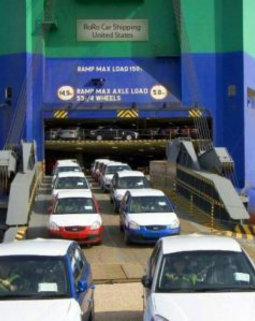
Lesotho’s car market is a blend of local used cars and Japanese imports, with most vehicles entering through neighboring South Africa. Understanding this market landscape can help you find a better deal and avoid scams.
- Used vs. Imported Vehicles
Most buyers in Lesotho choose between locally-used cars or imported ones from Japan. Each option comes with advantages and risks:
-
Locally-Used Cars: Easier to inspect in person but may have higher wear and tear.
-
Imported Cars: Generally cheaper and in better condition, but documentation and customs issues can arise.
- Market Trends and Seasonal Prices
Prices can vary depending on the time of year. Many dealers import cars towards the end of the year for holiday demand, causing prices to spike. Planning your purchase during off-peak months like February or March could save you thousands of Maloti.
2. Ignoring Total Cost of Ownership
Many first-time buyers focus only on the purchase price, forgetting the ongoing costs that come with owning a car.
Key additional costs to consider:
-
Fuel efficiency
-
Insurance premiums
-
Spare parts availability
-
Routine maintenance
For example, while an imported Toyota Harrier might look attractive, its fuel consumption and maintenance cost can be significantly higher than a local Honda Fit.
3. Overlooking Vehicle Documentation
Skipping paperwork verification is one of the most dangerous mistakes.
- Ensuring Proper Registration
Always confirm that the car is registered with the Lesotho Revenue Authority (LRA). Ask for:
-
Logbook or Registration Certificate
-
Previous ownership trail
- Customs and Duty Clearance
If the vehicle was imported, check for a customs clearance certificate. You don’t want to end up with a seized car due to unpaid import duties.
4. Not Checking Vehicle History
A car might look clean on the outside but have a history of accidents, engine problems, or even theft.
- Accident History and Odometer Fraud
-
Accident History: Request service records or check for uneven paint.
-
Odometer Tampering: Watch for wear and tear that doesn’t match mileage.
In Japan, auction-grade reports are available for imports—make sure you ask for one.
5. Skipping Professional Inspection
Hiring a trusted mechanic for a pre-purchase inspection can reveal:
-
Hidden engine issues
-
Frame damage
-
Electrical faults
This step might cost a few hundred Maloti, but it could save you thousands.
6. Falling for Unrealistic Prices
Scammers often lure buyers with very low prices. If a 2021 Toyota Hilux is being sold for M50,000, be suspicious.
Always compare prices with similar listings on trustworthy platforms like carsotho.com, which features up-to-date listings of second-hand vehicles in Lesotho.
7. Neglecting Test Drives
Never buy a car without driving it first. A test drive helps you evaluate:
-
Brake responsiveness
-
Steering alignment
-
Engine noise
-
Transmission smoothness
Take the car on different road types—tar and gravel—since Lesotho’s roads vary widely.
8. Failing to Research the Seller
Whether you’re buying from a dealership or private seller, background checks matter.
- Private Sellers vs. Car Dealerships
Private Sellers:
-
Usually cheaper
-
Higher risk of incomplete paperwork
Dealerships:
-
Offer warranties
-
Provide financing options
-
More trustworthy if licensed
9. Ignoring Fuel Type and Engine Size
Lesotho has a hilly terrain, and road infrastructure isn’t always optimal. Choosing the wrong fuel type or engine size can hurt your wallet.
-
Diesel engines: More torque, better for rural areas
-
Petrol engines: Easier maintenance, better for city driving
-
Engine Size: Avoid oversized engines unless absolutely necessary
10. Not Using Reputable Platforms
Using trusted online marketplaces is critical. Random roadside deals can be risky.
Carsotho.com is one of Lesotho’s most reliable platforms, offering verified listings of second-hand vehicles. You’ll find models like the Toyota Corolla, Mazda Demio, and VW Polo that are well-suited for Lesotho’s roads and budget-conscious drivers.
To find second-hand cars suitable for Lesotho’s conditions, check out carsotho.com.
Frequently Asked Questions (FAQs)
1. Is it better to buy a used or imported car in Lesotho?
Both have their pros and cons. Used cars are easier to inspect locally, while imports may be cheaper and in better condition.
2. What documents should I check when buying a car?
Ensure you get the registration certificate, customs clearance (for imports), and service history.
3. How do I check if a car is stolen?
Run the chassis number through the police database or use a licensed verification service.
4. Can I get car financing in Lesotho?
Yes, many dealerships offer financing. However, interest rates and terms vary—compare options before committing.
5. What are common scams when buying cars?
Fake documents, odometer rollbacks, and pricing too good to be true are common red flags.
6. When is the best time to buy a car in Lesotho?
Try shopping in the first quarter (January–March) when demand is lower, and deals are better.
Conclusion
Buying a car in Lesotho doesn’t have to be a stressful experience. By being aware of the common pitfalls and doing your homework, you can make a wise investment that meets your needs and lasts for years. Whether you're browsing locally or checking out reliable listings on carsotho.com, always prioritize transparency, documentation, and inspection. A little effort now can save you a lot later.