

Lesotho’s 2025 EV import rules eliminate VAT and customs duties, making electric vehicles (EVs) more affordable and accessible for all citizens. Learn how this bold policy is transforming mobility in the Mountain Kingdom.
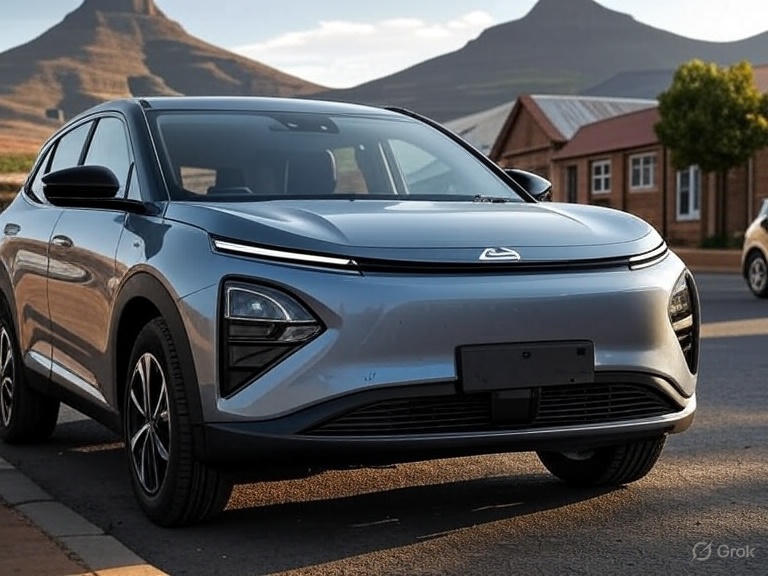
The electric vehicle (EV) wave is sweeping across the globe, and now, Lesotho is boldly steering into the future with a game-changing policy that’s making EV ownership more accessible than ever. Starting in 2025, the government of Lesotho will exempt all electric vehicles from VAT and customs duties, significantly reducing their cost and opening the doors for more Basotho to drive electric.
But what exactly do these changes mean for you as a car buyer or environmentally conscious driver in Lesotho? Let’s explore how the 2025 EV import rules are set to redefine affordability, sustainability, and mobility in the Kingdom in the Sky.
Why EVs Matter in Lesotho Now More Than Ever
Lesotho, nestled within the mountains of southern Africa, faces unique transportation challenges—rough terrain, fuel dependence on South Africa, and rising vehicle maintenance costs. EVs, with their lower running costs and reduced environmental impact, are increasingly seen as a smart long-term solution.
Until recently, one major barrier stood in the way: price.
Imported EVs often came with high customs duties and Value-Added Tax (VAT), making them nearly unattainable for the average Mosotho. The 2025 changes wipe out these taxes completely. That’s not just a small step—it’s a revolution in green transport.
What the 2025 EV Import Policy Includes
Here’s a breakdown of the key components of the new import policy:
-
✅ 100% VAT exemption on new and used electric vehicles
-
✅ Full exemption from customs duties
-
✅ Applies to passenger cars, commercial EVs, and EV motorcycles
-
✅ Enforced from January 1, 2025
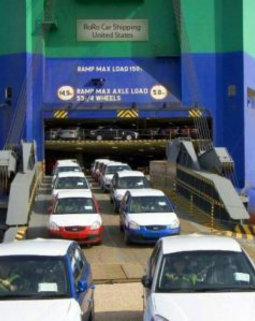
This means if you’re buying a used EV from Japan, the UK, or South Africa, you’ll save up to 35% on the total cost compared to previous years. That kind of savings can make the difference between dreaming about an EV and actually owning one.
Real Cost Savings: EVs Are Finally Within Reach
Let’s look at a practical example.
Before 2025:
-
Import price of a used Nissan Leaf (2018): M160,000
-
VAT (15%): M24,000
-
Customs duty (~20%): M32,000
-
Total cost: M216,000
After 2025:
-
Import price: M160,000
-
VAT: 0
-
Customs duty: 0
-
Total cost: M160,000
That’s M56,000 in savings—enough to cover registration, charging setup at home, and even maintenance for your first year.
To explore second-hand EV options already available in Lesotho, check out carsotho.com. They offer listings tailored to Lesotho’s terrain and driving needs, with models like the Nissan Leaf, Hyundai Kona EV, and BMW i3 often in circulation.
Benefits Beyond the Price Tag
Affordability is just the beginning. The new EV import policy also delivers wider national and personal benefits:
-
🌱 Environmental Protection: EVs emit zero tailpipe emissions, helping fight air pollution in cities like Maseru.
-
🔋 Energy Efficiency: EVs convert more than 85% of electrical energy into motion compared to just 25% for petrol engines.
-
🔧 Low Maintenance Costs: With fewer moving parts, you’ll save big on repairs and replacements.
-
🛻 Torque for Mountains: Electric motors deliver instant torque, making them perfect for Lesotho’s hilly roads.
What Types of EVs Can You Import?
This policy doesn’t limit your options. Whether you’re looking for a personal car, delivery van, or electric bike, all EV formats qualify for the VAT and customs exemption:
Vehicle Type Eligible? Notes Electric Passenger Cars ✅ Like the Nissan Leaf, Tesla Model 3, BMW i3 Electric Vans/Trucks ✅ Ideal for delivery businesses and cargo transport Electric Motorbikes ✅ Affordable and practical for inner-city or rural commuting Hybrid Vehicles ❌ Only fully electric vehicles qualify under the 2025 policyWhere to Charge? Growing EV Infrastructure in Lesotho
One concern many new EV buyers have is: Where will I charge my car?
Fortunately, Lesotho is already investing in charging infrastructure. Here are some current and upcoming developments:
-
⚡ Maseru Mall and Pioneer Mall: Pilot EV charging stations now active
-
🔌 Solar EV charging stations planned for Berea and Leribe districts in 2025
-
🏡 Home installation kits available with EV purchases from select dealerships
Over time, expect more fast chargers on national routes and even cross-border charging compatibility with South Africa’s grid.
What About Battery Replacement and Servicing?
Another common question: Aren’t EV batteries expensive to replace?
While it’s true that batteries can cost up to 40% of the EV’s value, modern batteries last 8-10 years or more with proper care. Plus, several service providers in Lesotho and neighboring South Africa now offer:
-
🛠 Battery diagnostics and reconditioning
-
♻️ Recycling and second-life use for old batteries
-
🔁 Swapping programs for fleet operators
Learn more in our EV maintenance guide here.
Who Benefits the Most from the EV Exemptions?
While everyone can benefit, here are a few groups that stand to gain the most:
-
🚖 Ride-Hailing Drivers: Save on fuel and maintenance
-
🏪 Small Business Owners: Cut delivery costs with electric vans
-
👨👩👧👦 Families: Enjoy smooth, quiet rides with safety features
-
🌍 Environmentally conscious citizens: Reduce carbon footprint effortlessly
How to Buy an EV in Lesotho: Step-by-Step
-
Visit trusted platforms like carsotho.com to compare prices and models.
-
Confirm eligibility under the new policy (EV must be fully electric).
-
Arrange importation through a licensed clearing agent.
-
Register the car locally through the Department of Traffic and Transport.
-
Install a charger at your home or business.
FAQs: Lesotho’s 2025 EV Import Rules
1. Are plug-in hybrids included in the VAT/customs exemption?
No. Only fully electric vehicles (battery EVs) are eligible.
2. Can I import a second-hand EV under this policy?
Yes! Used EVs qualify just like new ones.
3. Do I still pay for registration and insurance?
Yes, regular fees still apply—but your total cost is still far lower.
4. Is there a limit on how many EVs I can import?
As of now, no personal limit has been set by the government.
5. Where can I find EVs that are suitable for Lesotho terrain?
Visit carsotho.com to browse listings optimized for local conditions.
6. Will public charging stations be free?
Some may be free during early rollout phases, but most will eventually charge a usage fee.
Conclusion: A Roadmap to an Affordable, Greener Future
Lesotho’s decision to eliminate VAT and customs duties on electric vehicles marks a historic turning point for the country’s transport sector. It’s a rare policy move that combines economic relief, environmental responsibility, and technological advancement in one bold stroke.
Whether you’re a first-time car buyer or a business looking to cut fleet costs, 2025 is your year to go electric.
Don’t miss the opportunity to save thousands—start planning your EV purchase today.
For more updates, tips, and to explore available vehicles, head over to carsotho.com.