

Lesotho, famously known as the "Kingdom in the Sky," has the distinction of having the lowest elevation point in the world still above 1,000 meters. Much of the country's driving occurs in the mountainous Highveld region at elevations well over 2,000 meters, which subjects vehicle engines to a unique combination of high altitude and cold temperatures. This dual challenge fundamentally alters engine combustion, demanding specialized High Altitude Engine Care to maintain reliability and performance.
Standard engine tuning, typically calibrated for sea-level conditions, becomes insufficient here. Drivers and fleet operators must understand the two principal factors at play: Low Oxygen Density and cold temperatures.
The Impact of Low Oxygen Density
At high altitudes, the atmospheric pressure drops, leading to significantly Low Oxygen Density in the air. For a naturally aspirated engine (non-turbocharged), this results in a noticeable drop in power.
1. Power Loss and Inefficient Combustion
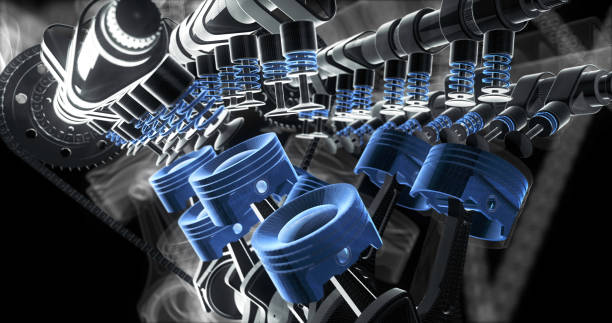
For every 1,000 meters (approx. 3,280 feet) of elevation gain, naturally aspirated engines lose roughly 10% of their power. This occurs because less oxygen mass enters the combustion chamber, leading to an Air-Fuel Mixture that is too rich. The engine control unit (ECU) in modern vehicles tries to compensate by cutting back on fuel, but it often cannot fully restore the ideal ratio. The result is sluggish performance, especially on the steep mountain passes, and a potential increase in incomplete combustion emissions.
2. The Turbocharged Advantage
Vehicles equipped with turbochargers or superchargers are better suited for High Altitude Engine Care. Turbochargers compress the thin air before it enters the engine, effectively increasing the air density. This allows the engine to maintain a near-sea-level Air-Fuel Mixture and significantly offsets the power loss experienced by naturally aspirated engines, making them the preferred choice for reliable high-altitude operation in Lesotho.
Mitigating Cold Start Reliability Issues
The cold climate prevalent for much of the year, especially in the Maloti Mountains, exacerbates the altitude-related issues, primarily affecting starting procedures and battery health.
3. Cold Start Reliability
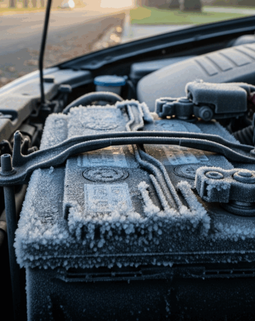
Cold temperatures drastically reduce a battery's cranking power and thicken engine oil. When combined with Low Oxygen Density, starting a vehicle becomes much harder. To ensure Cold Start Reliability, drivers must use winter-grade engine oil (e.g., a lower 'W' viscosity rating like 5W-30) that flows more easily, reducing drag on the starter motor. Furthermore, the coolant must contain the correct antifreeze mixture to prevent freezing, which could cause catastrophic engine damage. Regular High Altitude Engine Care involves frequent testing and, potentially, using a block heater in the coldest months.
4. Battery and Tire Pressure Management
Cold weather places extra stress on the battery, making routine testing and maintenance (such as cleaning corrosion) essential. Altitude also affects tire pressure, causing it to drop. Proper Tyre Pressure Management is vital for Mountain Driving Safety on Lesotho's often-challenging gravel roads. Incorrect pressure, especially in the cold, reduces traction and increases the risk of punctures and accidents.
For fleet managers and drivers operating across Lesotho's demanding terrain, investing in the right vehicle—preferably turbocharged—and adhering to a strict High Altitude Engine Care schedule is key to minimizing breakdowns and maintaining operational efficiency. Information on reliable vehicles and suitable spare parts for extreme African conditions can often be found through platforms specializing in the region, such as Auto24.
Take Action Now
Which maintenance practice do you believe is most neglected by drivers in Lesotho: checking the Air-Fuel Mixture via diagnostics, or ensuring the correct antifreeze mixture for the coolant system? Share your thoughts below!